
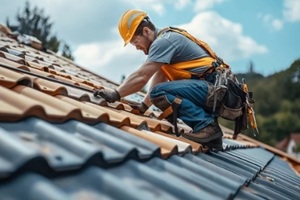
When a roof begins to show signs of wear, many homeowners are faced with an important decision: Go all in with a full roof replacement or try reroofing? Both options may restore the function of the roof, but they differ significantly in cost, process, and long-term benefits.
This article will help you understand the differences between roof replacement and re-roofing to help you make an informed decision that makes the most sense for your situation.
What Is Roof Replacement?
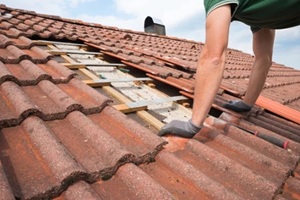
Roof replacement starts with stripping away all existing roofing materials to the decking before installing an entirely new system. This approach gives roofers the opportunity to examine the underlying structure and identify hidden problems, such as rot, water damage, or weakened support areas.
The International Association of Certified Home Inspectors suggests that homeowners obtain thorough roof inspections to catch structural damage before it becomes serious and more costly.
Advantages of Roof Replacement
Roof replacement has several advantages:
- Exposes and allows repair of hidden issues
- Extends the lifespan of the roofing system
- Increases protection from weather-related damage
While roof replacement is typically more expensive upfront, it offers long-term security and can significantly improve both the value and safety of the property.
What Is Reroofing?
Reroofing, also called a layover, involves placing new shingles over an existing roof instead of removing it. This method is only suitable if the roof currently has a single shingle layer and the decking underneath is sound.
Reroofing can be an affordable option in the short term, but it does not address underlying damage or issues beneath the original shingles. For lasting protection, careful inspection of the roof’s structure is recommended before choosing this method.
Benefits of Reroofing
Reroofing does carry several important benefits, including:
- May be less expensive than a complete roof replacement
- May be completed more quickly, since no tear-off is required
- Less labor-intensive, reducing disruption to daily activities
However, reroofing does not allow inspection of the roof deck, and any existing problems may worsen if left unaddressed.
When to Choose Roof Replacement
A complete roof replacement is generally recommended when:
- Roof has multiple layers of shingles
- Roof has significant damage, such as leaks, rot, or sagging
- Roof structure requires reinforcement or repairs
- Building codes do not permit multiple layers of roofing
According to the International Code Council (ICC), most building codes limit homes to no more than two layers of roofing materials due to weight and safety concerns.
When Reroofing May Be Sufficient
Reroofing can be an acceptable option if:
- Existing shingles are in fair condition with no significant issues
- Roof has only one layer of shingles currently installed
- Budget is limited, and the goal is a short-term solution
Even in these cases, homeowners should seek a professional assessment to guarantee appropriate reroofing.
Cost Considerations
The cost difference between reroofing and roof replacement can be considerable. The National Association of Home Builders (NAHB) found that reroofing can cost 20-40% less than a complete replacement. However, that lower upfront cost may lead to higher expenses if underlying issues go unresolved.
Reroofing may also void manufacturer warranties or affect homeowner insurance coverage if improperly installed.
Long-Term Performance and Durability
Roof replacement offers a fresh start, often resulting in better performance and longevity. New materials are installed according to current industry standards, and structural repairs can significantly extend the life of the roof.
While quicker and less expensive, reroofing often has a shorter lifespan. Since it relies on the integrity of the existing shingles, any unnoticed damage can continue to degrade the roof structure.
Energy Efficiency and Home Value
A complete roof replacement allows upgrading insulation, ventilation, and energy-efficient roofing materials, boosting energy conservation with lower utility bills and increased indoor comfort.
A new roof can also help enhance curb appeal and the resale value of a home, which may make roof replacement a better long-term investment.
Engage a Professional Contractor
Whether you are reroofing or opting for a roof replacement, working with a qualified roofing contractor is always recommended. Expert roofing companies will conduct a thorough inspection, explain available options, and perform the work according to safety standards and building codes.
Attempting to handle roofing work without proper experience or licensing can lead to safety hazards and costly mistakes. Using a qualified roofing company ensures safety practices are implemented to mitigate the dangers of roofing work.
Contact Expert Exteriors for Roofing Solutions

Choosing between roof replacement and reroofing depends on many factors specific to each home. The experienced team at Expert Exteriors serves homeowners in Maryland and Northern Virginia, offering roofing, siding, gutters, and exterior services. We can help you identify the best path forward for your situation and work with you every step of the way.
Contact us online or call (703) 278-3315 to schedule a consultation and get expert guidance for your roofing needs.
Schedule Estimate
"*" indicates required fields