
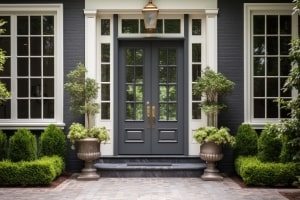
A storm door adds both functional and aesthetic value to your home, shielding your front door from the weather, contributing to lower energy expenses, and enhancing the appearance of your exterior. If you’re replacing an aging door or installing one for the first time, understanding which features matter most will help you choose the right product that will perform well for years to come.
This article explains the features of high-quality storm doors and how professional installation is a great way to make sure the door looks great, hangs correctly, and lasts for years to come.
Why Storm Doors Matter for Maryland and Northern Virginia Homes
In the Mid-Atlantic, storm doors help reduce drafts, regulate indoor temperatures, and protect entry doors from rain, snow, and UV rays. Many models feature low-emissivity (low-e) glass, improving energy efficiency by reflecting heat while allowing natural light to pass through. This is especially advantageous if your front door receives direct sunlight for several hours each day.
Features to Consider
Glass Options
Low-E Glass Technology: Low-e glass is one of the most significant innovations in storm door design. This special coating reflects heat and helps maintain indoor comfort year-round. It also prevents heat buildup between the storm and entry doors, reducing the risk of warping or damage in sunny areas.
Glass Panel Configurations: Some doors offer interchangeable or self-storing glass and screen panels, allowing you to adjust ventilation throughout the year. These flexible options improve functionality and comfort without compromising protection.
Frame Materials
Aluminum: Lightweight and rust-resistant, aluminum frames are excellent for humid regions or coastal climates. Reinforced corners and tempered glass make them highly durable and low-maintenance.
Steel: Steel doors offer superior strength and often feature powder coatings for weather resistance. Many are tested to meet FEMA and ICC standards for wind resistance up to 250 MPH.
Wood and Composite: Wood doors offer traditional appeal but require more upkeep. Composite and fiberglass options strike a balance between aesthetics and durability, often outperforming wood in insulation and maintenance.
Hardware That Holds Up
Consider the following hardware upgrades:
- Heavy-Duty Hinges: Look for doors with reinforced corners and strong hinges. These provide better alignment and function over time, particularly in windy or high-traffic areas.
- Adjustable Door Closers: High-quality closers control the door’s swing speed and sealing strength. Adjustable settings allow for reliable performance across seasonal weather changes.
- Locking Mechanisms: While storm doors aren’t your home’s primary line of security, solid locks help maintain structural integrity during storms and prevent damage from strong winds.
Weatherstripping and Sealing

Proper sealing is essential for energy efficiency. Look for weatherstripping on all four sides, compression seals that adjust over time, and adjustable thresholds. These features reduce air leaks and moisture intrusion, keeping your home more comfortable.
Screen and Ventilation Features
Retractable Screens: Discreet retractable screens provide ventilation in warmer months and roll away for a clean appearance in colder seasons. They’re great for improving airflow without sacrificing protection from insects.
Full-Length Screens: If airflow is a priority, full-length screen designs provide maximum ventilation and are ideal for moderate climates.
Installation and Fit
While DIY installation is possible, it can lead to costly mistakes. Engaging a professional facilitates correct alignment, secure installation, and comprehensive weatherproofing. A misaligned storm door can lead to air leaks, premature wear, and even water damage.
Experienced installers can accommodate non-standard door sizes and ensure a perfect fit the first time. Proper sizing is essential for smooth operation and long-term durability.
Energy Star Certification and Tax Credits
While storm doors themselves may not qualify for federal tax credits, they can still enhance your home’s overall energy efficiency. Pairing a storm door with an ENERGY STAR–certified entry door can increase comfort and long-term savings.
Maintenance and Durability
Choose powder-coated finishes or other corrosion-resistant treatments, especially in high-humidity areas. These features increase the door’s lifespan and reduce upkeep.
Storm doors with replaceable screens, glass panels, and weatherstripping are easier to maintain and more cost-effective over time.
Regional Considerations
Homeowners in Maryland and Northern Virginia should take regional climate conditions into account when selecting a storm door. Reinforced frames and secure mounting systems are important in areas prone to intense storms and high winds. Low-E glass offers valuable UV protection, helping to prevent interior fading.
Given the region’s humid summers and wet winters, storm doors made with corrosion-resistant materials and proper drainage systems are better equipped to withstand moisture. Additionally, quality weatherstripping and adjustable hardware can accommodate the seasonal expansion and contraction caused by fluctuating temperatures, ensuring a tight seal year-round.
Cost vs. Long-Term Value
Prices vary widely, but don’t let a low sticker price drive your decision. Higher-quality doors often come with better materials, stronger warranties, and longer lifespans. When assessing options, it is wise to think about more than the initial purchase price. You should also consider the costs associated with installation, ongoing maintenance, possible energy savings, and the overall longevity of the door. A higher upfront investment can ultimately save you time and money.
Choosing the Right Storm Door
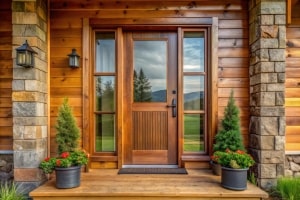
Start with your needs:
- Climate: Prioritize energy efficiency and weather resistance
- Usage: Opt for stronger hardware if the door will see frequent use
- Style: Choose a look that complements your home’s exterior
- Maintenance: Select a material that fits your lifestyle and tolerance for upkeep
Trust Expert Exteriors for Storm Door Installation
The best storm door features won’t deliver their full benefits without proper door installation. At Expert Exteriors, we’ve helped hundreds of homeowners across Maryland and Northern Virginia select and install storm doors that fit their home’s style, climate, and performance needs.
Whether you’re upgrading for energy savings, comfort, or aesthetics, our experienced team is here to guide you through the process. We’ll make sure your storm door is installed correctly and built to last.
Call Expert Exteriors at (703) 278-3315 or visit us online to arrange a consultation. Allow us to assist you in selecting a storm door that safeguards your home while improving its appearance and energy efficiency.
Schedule Estimate
"*" indicates required fields