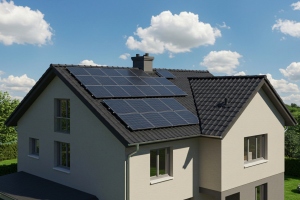
Choosing the right roof for your home solar installation can make all the difference between maximizing energy savings and regretting a costly mistake. With Northern Virginia’s growing focus on renewable energy and federal solar tax credits available through 2032, homeowners are increasingly looking to solar power as both an environmental and financial investment.
However, not all roofs are equally suitable for installing solar panels. The roofing material, its age, and its condition are all pertinent factors that impact the installation’s success. This guide will explain which roofing materials are ideal for solar installations and which are not, as well as when a roof replacement should precede your solar project.
The Importance of Roof Type for Solar Installations
Your roof is the essential support for your solar energy system. The wrong material can lead to installation complications or reduced efficiency. According to the National Renewable Energy Laboratory (NREL), proper roof assessment is essential for determining solar potential.
Different materials require specific mounting systems and installation techniques. Some options simplify installation and are budget-friendly, while others require specialized hardware, which increases expenses.
The Best Roofing Materials for Home Solar
Asphalt Shingles
Asphalt shingles are the gold standard for solar installations in Northern Virginia, offering several advantages:
- Standard mounting hardware works with asphalt shingles
- Installers can easily secure mounting brackets
- Straightforward repairs and maintenance
- Lower installation costs
Many solar installers prefer asphalt shingle roofs because they use standard mounting procedures.
Metal Roofing
Metal roofs are increasingly popular for solar installations, offering excellent compatibility:
- Long lifespan matching solar panel warranties
- Mounting systems without roof penetrations
- Heat reflection improving panel efficiency
- Strong support for Northern Virginia snow loads
Standing seam metal roofs work particularly well because clamps attach directly to seams.
Tile Roofs
Concrete and clay tile roofs can accommodate solar installations, but require careful handling during mounting. Installation costs typically increase due to the need for specialized techniques and the necessary replacement of any tiles that are too old or weak for the process.
Roof Types to Approach with Caution
Wood Shingles and Shakes
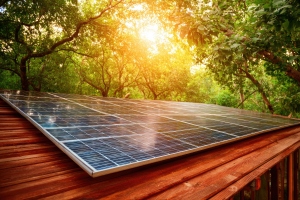
Wood roofing materials present challenges for solar installations. The material may be fragile and susceptible to cracking when being mounted. Furthermore, many wooden roofs are older and may require replacement before installing solar panels.
Slate Roofs
While beautiful and long-lasting, slate roofs require careful handling during solar installation. The material is expensive to replace if damaged, and specialized mounting systems add to costs. Many installers require additional insurance coverage for slate installations.
Flat or Low-Pitch Roofs
Roofs with minimal slope require ballasted mounting systems rather than standard penetrating mounts. According to NREL research, ballasted systems work best at low tilt angles of 10 degrees or less.
Northern Virginia Solar Considerations
Roof Age and Condition
Before installing solar panels, installers in Northern Virginia should inspect the roof to make sure it is strong enough to support solar panels. Any necessary repairs or upcoming replacements should be addressed.
Local Climate Factors
Northern Virginia’s climate presents specific considerations for solar installations. Heavy snow loads require strong roof structures, while summer heat can affect panel performance on dark-colored materials. Additionally, severe storms demand secure mounting systems.
According to EcoWatch, south-facing roofs typically see the best solar performance in Northern Virginia.
Professional Assessment is Essential
Solar installation requires professional evaluation. A qualified contractor will assess structural integrity, roof condition, panel placement, code compliance, and electrical integration.
Falls Church data shows that “homes in Northern Virginia can usually fit 5-10 kilowatts (kW) of solar panels on their roofs, which would provide an average of about 550-1,200 kWh of energy each month.”
When to Replace Your Roof First
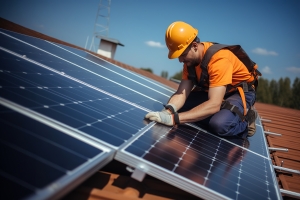
Consider roof replacement before solar installation if your roof shows significant wear, has less than 10 years remaining lifespan, uses materials that complicate installation, or lacks structural capacity for additional weight. Combining replacement with solar installation often provides cost savings and comprehensive warranty protection.
Schedule Your Northern VA Solar Installation Consultation
Choosing the right roof type for your home solar system requires careful consideration of your specific situation and local climate. Professional guidance is essential for evaluating roof suitability and installation requirements.
At Expert Exteriors, we understand that solar installation success starts with a solid foundation. Our knowledgeable team conducts thorough roof evaluations to identify the most effective strategy for your solar project. Whether you’re looking for roof repairs, replacements, or are interested in solar installation, we assist you in making informed choices to maximize your energy savings.
Contact Expert Exteriors online or call (703) 278-3315 to schedule your professional roof and solar consultation. We serve homeowners throughout Northern Virginia and Maryland and will help you determine the best path forward for your roofing and solar energy needs.
Schedule Estimate
"*" indicates required fields