
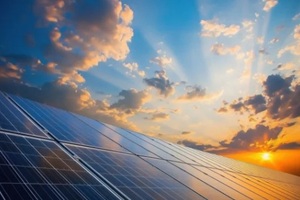
Homeowners considering solar energy often ask a practical question: Do solar panels still work on cloudy days? While full sun is ideal, solar panels are more capable than many assume when it comes to producing electricity in less-than-perfect weather.
This article explains how solar panels perform under cloud cover, what factors influence their energy production, how solar installation companies can optimize their performance, and why they remain a solid investment even in areas that don’t always enjoy clear skies.
How Solar Panels Generate Power
PowerSolar panels generate electrical power by utilizing photovoltaic (PV) cells to convert solar energy into electricity. These cells absorb solar photons and generate direct current (DC) electricity, which is then converted into alternating current (AC) by an inverter.
On days with full sunlight, this process works at maximum efficiency. However, even on overcast days, light from the environment is still able to pass through the clouds and reach the panels. That light can be enough to generate a usable amount of electricity, just at a lower output.
Performance on Cloudy Days
When the skies are overcast, energy production will decrease, but solar panels don’t stop working entirely. On average, solar panels produce about 10% to 25% of their typical output during heavily clouded conditions, depending on panel quality, cloud density, and time of year.
Interestingly, some cloud conditions can reflect sunlight in a way that temporarily boosts output. Known as the “edge-of-cloud effect,” this can lead to short bursts of higher-than-normal energy production when sunlight peeks around a cloud.
Factors That Influence Cloudy-Day Performance
Several factors affect how well solar panels perform without full sunlight:
- Panel efficiency: Higher-efficiency panels tend to perform better in low-light conditions.
- Angle and orientation: Properly angled panels will capture more ambient light.
- Temperature: Cooler temperatures can improve panel efficiency, which may help offset reduced sunlight on cooler, cloudier days.
- Inverter technology: Microinverters or power optimizers can help panels work more efficiently, even when individual panels are partially shaded.
Relying on professional installation companies can help position solar panels for optimal performance.
Cloudy Regions and Solar Viability
A common myth is that solar panels aren’t worthwhile in cloudy climates; however, some areas known for overcast weather still see strong adoption of solar technology. For example, Germany, which has a climate comparable to the Pacific Northwest, is a global leader in solar energy use.
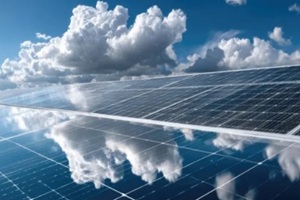
Solar panels are engineered to operate throughout the year and under different weather conditions. Homeowners in regions with frequent cloud cover can still see significant savings and environmental benefits from solar panels expertly installed, especially when paired with battery storage systems.
Battery Storage: A Smart Companion to Solar
For homeowners concerned about inconsistent sunlight, adding a battery system can make solar energy even more reliable. Batteries store surplus electricity produced during periods of sunlight, which is then available for use when it is cloudy or at night.
Systems like the Tesla Powerwall and others allow homeowners to maintain energy independence and reduce reliance on the grid. Battery storage enhances reliability during power outages, a rising worry for numerous households.
Solar Panel Maintenance and Monitoring
Regular maintenance and monitoring of solar panels have a valuable role in optimizing energy production. Maintaining clean panels and keeping trees or structures from obstructing sunlight can enhance system performance on overcast days.
Many modern solar panel systems now have monitoring software that delivers real-time information on energy output. This functionality enables homeowners to monitor system output during periods of low sunlight and make informed adjustments to their energy consumption as necessary.
The Financial Benefits Still Add Up
Even with occasional dips in output, solar energy systems offer long-term financial value. Several states have net metering programs, which enable homeowners to return surplus electricity to the grid in exchange for credits. These credits can be used to balance periods of reduced production, such as during cloudy weather.
Federal tax credits and local incentives can help lower the expenses associated with solar installation. In 2025, homeowners may be eligible for a federal solar tax credit that covers as much as 30% of their installation costs. Expert solar panel installation companies often provide guidance, walking homeowners through all of the available credits and options.
When to Work with a Professional
Because roof angle, regional climate, energy needs, and other distinct factors all play a role in solar performance, working with a qualified installer is the best way to make sure your system performs well year-round. A solar professional can evaluate your home and provide recommendations on panel type, placement, and battery options to improve your investment.
Quality solar installation companies also handle permitting, inspections, and utility coordination, which can streamline the process significantly
Schedule a Consultation with DMV’s Top Solar Installation Companies
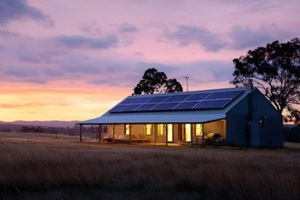
At Expert Exteriors, we help homeowners across Maryland and Northern Virginia make smart, sustainable energy upgrades. We design solar systems that deliver reliable performance no matter the weather.
When you’re considering going solar or just starting to ask questions, we’re here to walk you through your options, answer your questions, and provide high-quality solar installation customized to your home.
Contact Expert Exteriors at (703) 278-3315 or online to discuss solar, roofing, siding, gutter upgrades, and other home exterior projects designed to help you save energy and enhance your property.
Schedule Estimate
"*" indicates required fields