
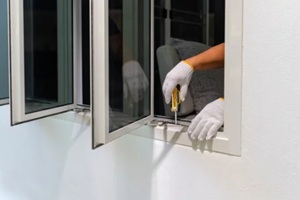
Replacing your windows may seem straightforward, but the slightest oversight can lead to costly delays, drafts, or poor performance. A successful window replacement requires accuracy and attention to detail, and proper measurements are the first step toward a successful window installation.
If you’re upgrading aging windows or improving energy efficiency, accurate dimensions create a smooth fit and help you avoid costly mistakes, and partnering with a professional will make the process smooth and secure.
Here’s what homeowners need to measure windows like a pro.
Why Size Matters
Every inch counts when replacing windows. Properly measured windows prevent drafts, leaks, and operational issues. Measuring interiors from frame to frame, rather than including trim, guarantees the new window fits within the existing opening. Measuring inaccurately may require additional adjustments or scheduling delays.
Core Measurements to Record
1. Width
Measure the interior frame (jamb-to-jamb) at three spots: top, middle, and bottom. Record the smallest number; this guarantees that the replacement unit fits without binding. Try rounding down to the nearest 1/8 inch if measurements vary.
2. Height
Measure from the window sill to the interior head jamb in three locations: left, center, and right. Again, use the smallest measurement. Consistency across measurements establishes correct sizing and operation of the new window.
3. Depth
Measure the jamb depth (inside stop to outside stop). Most replacement windows require at least 3¼ inches of depth to accommodate shims, insulation, and complete installation.
4. Squareness Check
Diagonal measurements confirm whether the frame is square. Hold the tape measure from top left to bottom right, then top right to bottom left. If these readings match within ¼ inch, the frame is square and ready for a replacement. Accurate squareness helps prevent issues when installing replacement windows.
Understanding Window Types
Replacement windows typically fall into two categories:

- Insert (Pocket) Replacement: Fits into the existing frame and trim. Ideal when the structural frame remains sound.
- Full‑Frame Replacement: Removes the entire window assembly, including frame and trim, back to the rough opening. This allows contractors to correct any hidden damage or insulation issues.
Insert windows demand precise interior measurements, while full‑frame replacements rely on the rough opening size plus framing tolerances.
Tips for Accurate Measuring
- Measure without trim: Remove interior stops if they block access to the jamb.
- Start inside: Interior measurements avoid complications from exterior siding and trim.
- Record carefully: Write down each set of measurements and identify which is the smallest width and height.
- Verify square: Diagonal checks are critical because frames out of square may need adjusting before ordering.
- Prepare for rough openings: If the rough opening isn’t square or level, professionals can add blocking or shims to meet the requirements for standard window sizes.
Professional Insight Matters
While homeowners can take initial measurements, a trained technician can guarantee accuracy and confirm structural soundness. Professionals typically examine:
- Window frame condition (checking for rot or damage)
- Water resistance and insulation around the opening
- Proper jamb depth and rough‑opening integrity
During full‑frame replacements, the rough opening is lined with waterproof membranes, insulated, and flashed to prevent water and air leakage.
Common Measurement Pitfalls
Installing windows as a DIY often leads to increased cost with necessary corrective actions. Here are a few common mistakes that can happen while measuring windows.
- Using outside dimensions or trim: This can lead to oversized ordering and fitting issues.
- Ignoring depth: Windows too shallow for the jamb can cause improper seal and insulation.
- Skipping squareness checks: Orders based on skewed openings can result in operational problems.
- Overlooking structural damage: Frame rot or settlement should be addressed before installing new units.
Partnering with a professional to measure and replace your windows will help you avoid these pitfalls.
Final Steps Before Ordering
Before ordering your replacement windows, follow these checkpoints to make sure everything is accurate:
- Measure width, height, and depth using interior jamb edges.
- Confirm three-point measurements and use the smallest values.
- Check diagonals to confirm frame squareness.
- Inspect for rot, moisture damage, and insulation gaps.
- Consult a professional contractor for correct measurements, structural checks, and installation quality.
Partner with Expert Exteriors to Measure and Replace Windows

Accurate measurements pave the way to a successful window installation. For homeowners in Maryland and Northern Virginia, Expert Exteriors offers expert window installation, siding, roofing, gutters, and full exterior services. Let one of our trained professionals take care of the measurements, handle any rough‑opening repairs, and install your windows so they last.
To start the process, call us at (703) 278-3315 or go online to schedule a consultation today.
Schedule Estimate
"*" indicates required fields