
Solar panel installations have become increasingly popular among homeowners looking to reduce energy costs and environmental impact, and one factor that can greatly influence the efficiency of your solar energy system is shading. Understanding how shadows affect solar panel performance is essential for maximizing your investment and making informed decisions about your home’s solar installation.
This piece will demonstrate solar installation companies’ tips to maximize the efficiency and ROI of your solar panels.
The Science Behind Solar Shading
Solar panels generate electricity by using photovoltaic cells to convert sunlight into energy. When shadows fall on even a small portion of your solar array, the effects can be far more dramatic than most homeowners expect. According to research from the National Renewable Energy Laboratory (NREL), their PV Shading Database shows that performance predictions can accurately model shade loss within 1-2% of measured data for partially shaded systems.
Each solar panel contains multiple interconnected cells that work together as a unified system. When one cell experiences shading, it creates a bottleneck effect that can reduce the entire panel’s output. Studies indicate that shading just one cell can decrease a panel’s power generation as drastically as 50-80%.
Common Sources of Solar Panel Shading
Several factors around your home can create shadows that impact solar panel performance:
Natural Elements:
- Tree branches and foliage
- Seasonal leaf coverage
- Bird nests or debris accumulation
Structural Features:
- Chimneys and vent pipes
- Roof dormers and architectural details
- Neighboring buildings
- Antenna installations
Temporary Obstructions:
- Snow accumulation during the winter months
- Dust and pollen buildup
- Construction equipment or scaffolding
Weather patterns also play a role, with cloud cover creating intermittent shading that can cause rapid fluctuations in power output.
How Shading Affects Solar Panel Performance
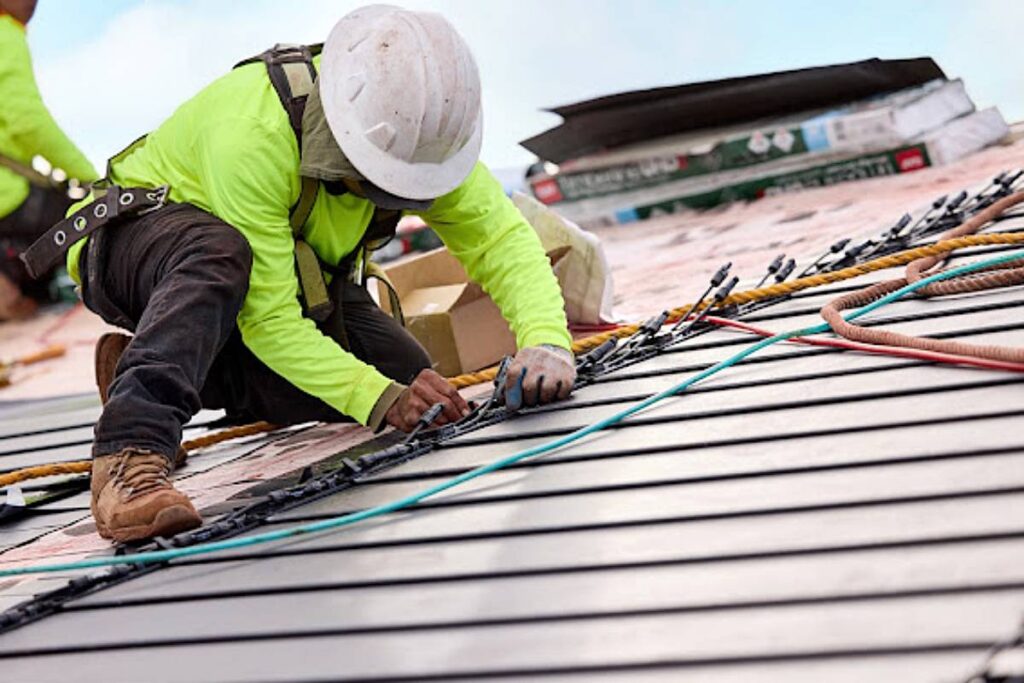
The impact of shading varies depending on several factors, including the type of solar installation, panel configuration, and the extent of shadow coverage.
String Inverter Systems
Traditional string inverter systems connect multiple panels in series, like old-style Christmas lights. When one panel in the string is shaded, it impacts the efficiency of all the panels that are connected to it. This configuration makes string systems particularly vulnerable to shading issues.
Microinverter and Power Optimizer Systems
Modern solar installations often use microinverters or power optimizers that allow each panel to operate independently. Testing has demonstrated that these systems show significant performance benefits compared to string inverters when dealing with shaded conditions.
Measuring and Predicting Shading Impact
Professional solar installation companies use sophisticated tools to analyze potential shading issues before installation. These assessments typically include site surveys conducted at different times of year, solar pathfinder measurements, computer modeling using satellite imagery, and seasonal sun angle calculations.
The NREL PVWatts Calculator provides homeowners with estimates of solar system performance based on location-specific data, including shading considerations.
Solutions for Minimizing Shading Effects
When shading cannot be avoided entirely, several strategies can help reduce its impact on your solar system’s performance.
Technology Solutions
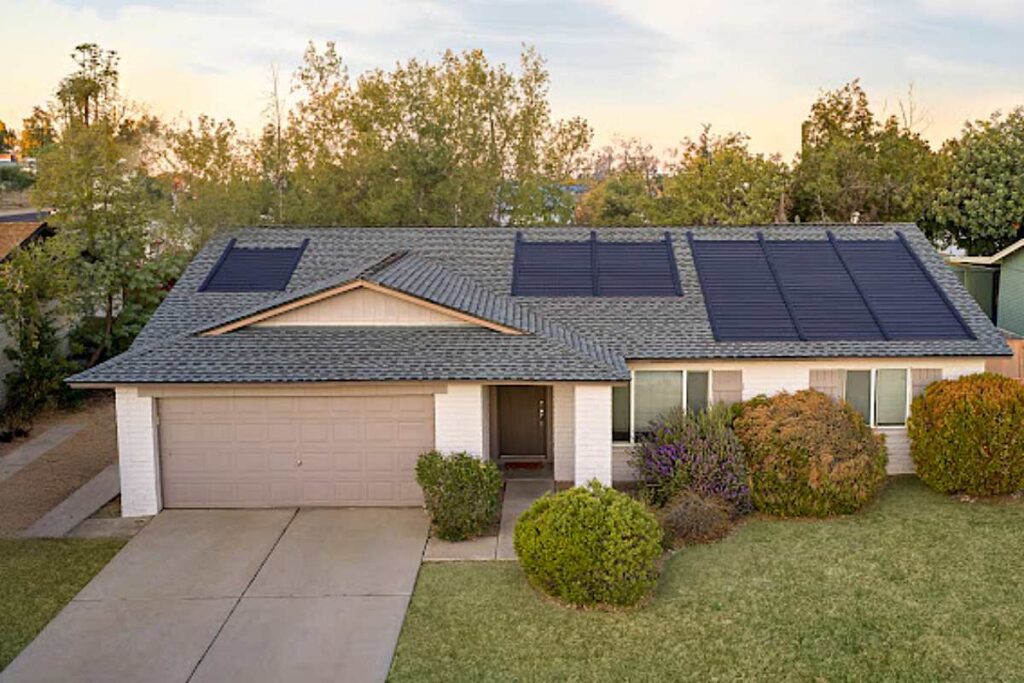
Modern solar technology offers several approaches to minimize shading impact. Microinverters convert DC power to AC at each individual panel, preventing shaded panels from affecting others in the system. Power optimizers work similarly, maximizing each panel’s output independently while using a central string inverter. Most modern panels also include bypass diodes, components that help redirect electrical flow around shaded cells to maintain system performance.
Physical Modifications
Sometimes the most effective solution involves addressing the shading source directly. Professional tree trimming or removal can eliminate natural obstructions, while relocating antennas or other roof equipment opens up optimal panel placement areas. Installing panels on less shaded roof sections or considering ground-mounted arrays in optimal locations may also provide better performance outcomes.
The Financial Impact of Shading
Shading reduces energy production and affects your solar investment’s long-term return. Even partial shading that reduces system output by 20% can significantly impact your energy savings over the system’s 25-30 year lifespan.
Professional shading analysis helps homeowners understand these financial implications before installation.
Planning Your Solar Installation
For homeowners considering solar panels, addressing potential shading issues during the planning phase is much more effective than trying to solve problems after installation. Working with experienced solar installation companies ensures that your system design accounts for current and future shading patterns.
Quality installers will visit your property multiple times throughout the year to observe how shadows change with the seasons. They’ll also consider how growing vegetation might affect your system’s performance over time.
Choose Expert Exteriors for Your Solar Installation Needs
Expert Exteriors specializes in comprehensive exterior services, including solar installations designed to work optimally with the unique characteristics of your property. Our experienced team conducts thorough site assessments to identify potential shading issues and recommend solutions that maximize your solar investment.
Contact Expert Exteriors at (703) 278-3315 or online to schedule your consultation and discover how we can help you harness solar energy effectively, even when dealing with shading challenges. Let our expertise guide you toward an exterior improvement that enhances the value and energy efficiency of your home.